
Zulu culture utilizes symbols such as the lion (symbolizing the king) and the elephant (meaning “the forceful one”), alongside intricate beadwork that communicates messages about a person’s marital status, social standing, and emotions through shapes and colors. Traditional practices include elaborate attire for ceremonies, the communal consumption of fermented milk (amazí), and vibrant dances accompanied by drumming and chanting, reflecting warrior traditions and societal milestones
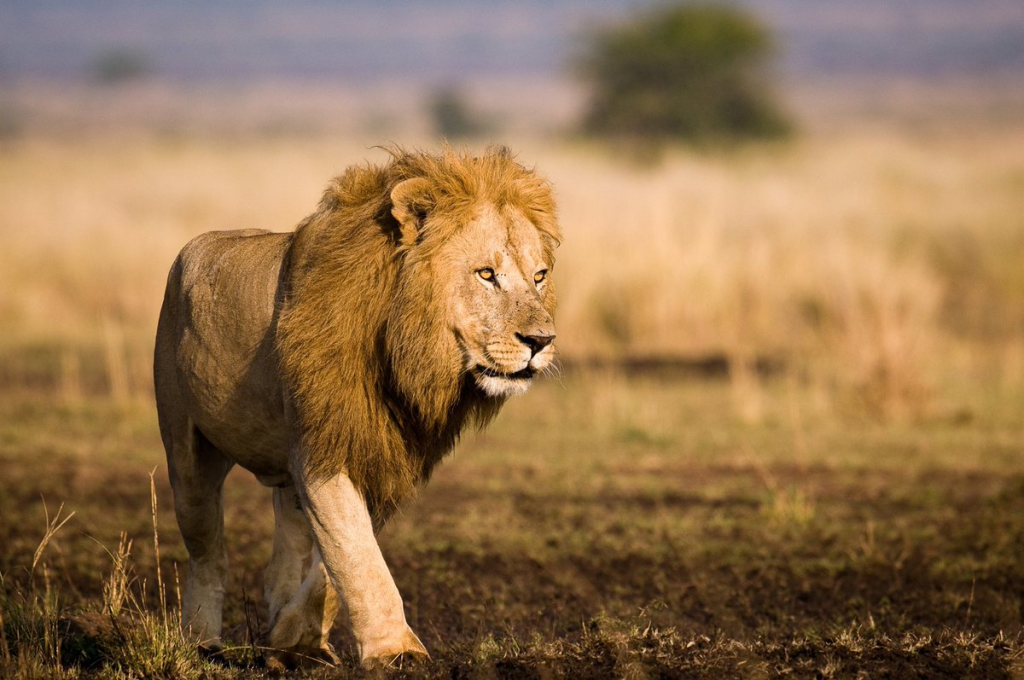
Represents the King of the Beasts and is a symbol of the Zulu King, signifying the power to make final decisions.
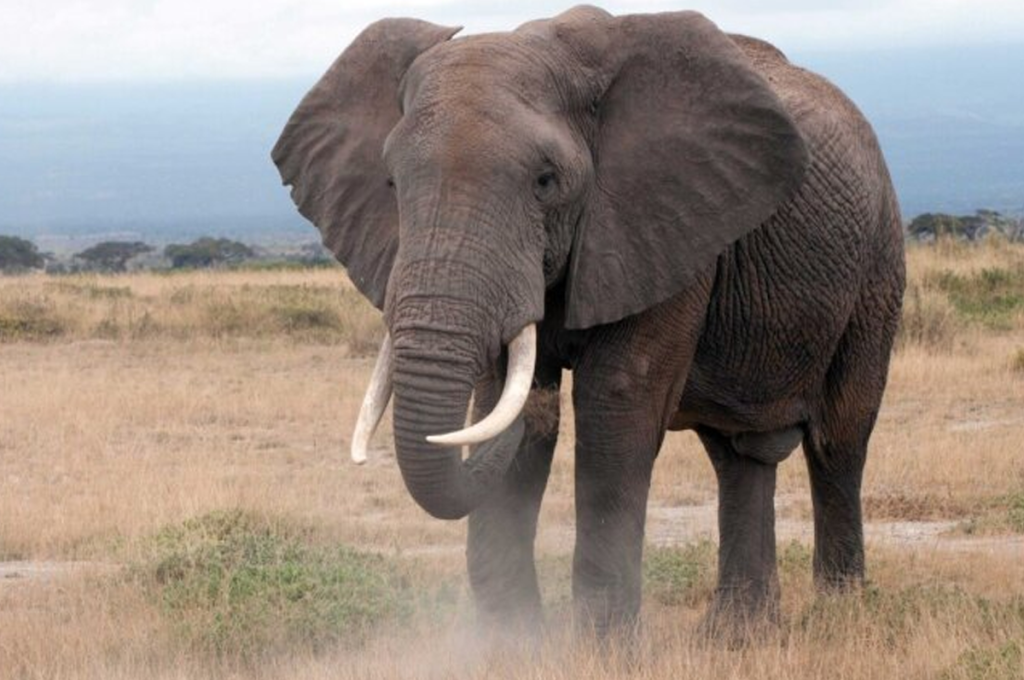
Also symbolizes the King, meaning “the forceful one” in the Zulu language.
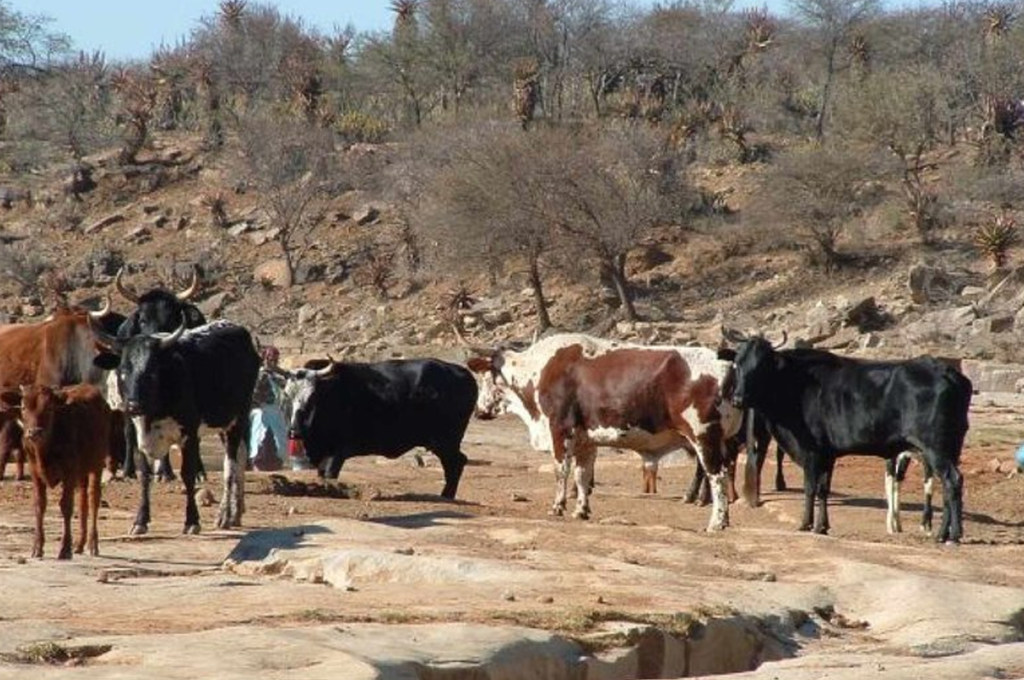
Hold symbolic and material importance, with specific breeds, like King Shaka’s white “bird which does not rest” (inyoni kayiphumuli), carrying significant meaning related to purity and status.
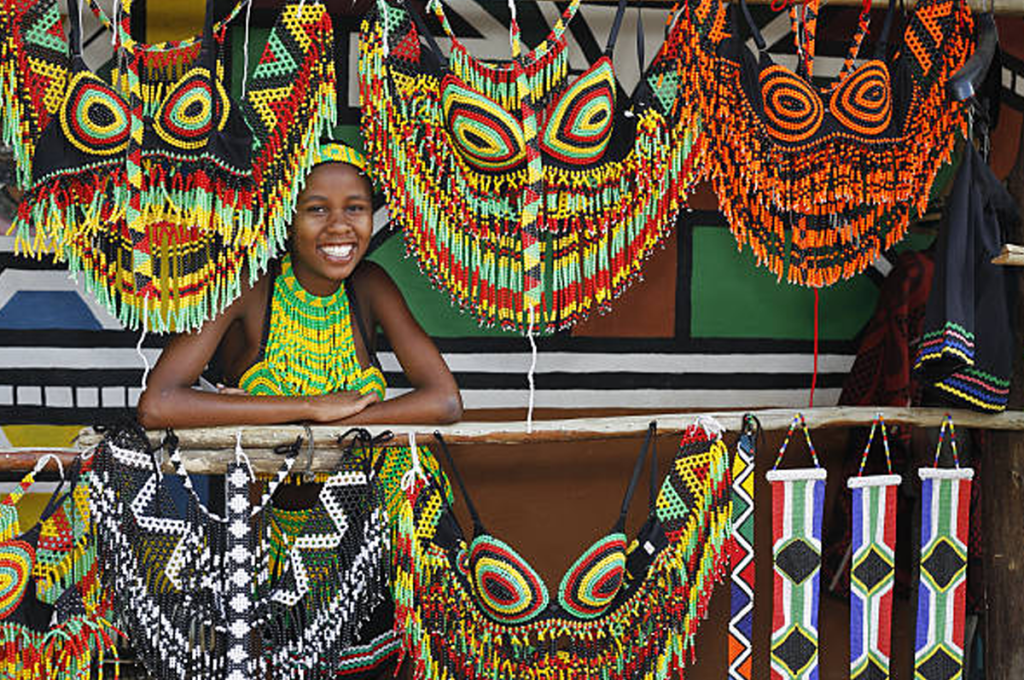
A form of communication using geometric shapes and colors to convey information on marital status (triangle direction), emotions (colors), and wealth (abundance of beads)
Discover information about the King’s vision for the royal family and the Zulu nation’s cultural heritage. Stay updated on news and initiatives that promote community unity and progress.